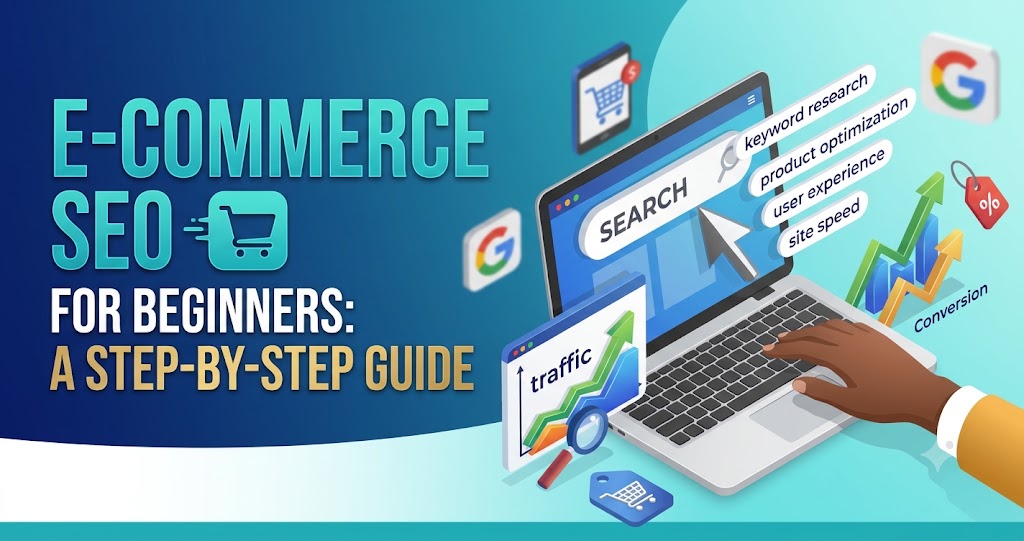
If you are new to SEO and want to understand how to apply it specifically to your online store, here is a simplified, actionable E-commerce SEO for Beginners: A Step-by-Step Guide to get you started.
Overview: What is E-commerce SEO?
E-commerce Search Engine Optimization (SEO) is the process of optimizing an online store to rank higher in search engine results pages (like Google) for relevant keywords. More visibility means more traffic, which, ideally, means more sales. Unlike standard blog SEO, e-commerce SEO focuses heavily on product and category pages and requires reducing friction to make the buying path as seamless as possible.
Step 1: Focus on Keyword Research
Keyword research is the foundation of all SEO. It helps you understand what terms your potential customers are searching for. For an online store, focus on "transactional" or "commercial" intent keywords—the words people use when they are ready to buy.
How to do it (Beginner's Method):
- Use Google Autocomplete: Start typing a generic version of your product into Google (e.g., "handmade jewelry") and see what searches Google suggests. This gives you popular, related queries.
- Analyze Amazon/Competitors: Go to Amazon, Etsy, or a main competitor. Look at their product titles, menu categories, and filters. These are optimized keywords they already use.
- Identify "Long-Tail" Keywords: Instead of targeting "jewelry" (too competitive), target "handmade pearl necklace for women" or "affordable boho earrings." Long-tail keywords are more specific, easier to rank for, and have higher purchase intent.
Step 2: Optimize Your Product Pages (On-Page SEO)
Product pages are your "money pages." This is where the actual sale happens. Make sure they are optimized for both search engines and human buyers.
Key Optimization Areas:
* Product Titles: Use your primary long-tail keyword in the title. Example: "Serein Handmade Blue Silk Thread Bangle Set."
* Product Descriptions: Write unique, detailed descriptions. Do not just copy manufacturer data. Explain the benefits, materials, sizing, and use case. Aim for at least 200–300 words.
* Use Keywords Naturally: Don't stuff keywords, but weave them into the description naturally.
* Image Optimization: High-quality photos are essential. Name the image file descriptively (e.g., handmade-silk-bangle-set.jpg) and always fill in the "Alt Text" with a brief description of what is in the image. This helps Google "see" your image.
Step 3: Organize Your Site Structure (Technical SEO Lite)
How you organize your categories and products is crucial. Both Google and users prefer a simple, logical hierarchy.
Best Practices:
* Keep it Flat: A "flat" structure means a user should be able to reach any product on your site in three clicks or less from the homepage.
* Standard Path: Homepage > Category Page > Sub-Category (if needed) > Product Page.
* Clean URLs: Ensure your product URLs are descriptive. Example: triunique.com/products/handmade-silk-bangle is better than triunique.com/products/item12345.
Step 4: Improve the User Experience (UX)
Google actively ranks sites that provide a good experience. If your site is frustrating to use, your rankings will suffer.
Mobile First: The vast majority of shoppers use smartphones. Your store MUST be mobile-friendly, with easy navigation, readable text, and a simple checkout process on a small screen.
Site Speed: A slow site kills sales. Optimize images (compress them), use a reliable host, and minimize heavy scripts. Even a 1-second delay can drastically reduce conversions.
Clear CTAs: Your "Add to Cart" or "Buy Now" buttons should be prominent and easy to find.
Step 5: Leverage Content Marketing (Blogging)
Blogging is a powerful way to target keywords your product pages can't. It helps you build authority in your niche and attracts traffic at the top of the sales funnel (information seekers).
Example: If you sell eco-friendly kitchenware, your product page targets "bamboo cutting board." Your blog could target topics like "How to Care for a Bamboo Cutting Board" or "5 Benefits of Switching to Eco-Friendly Kitchen Tools." Blogs answer customer questions and link them directly to your products.
Final Thoughts
SEO is a long-term strategy, not a quick fix. By focusing on solid keyword research, unique product content, a logical site structure, and a great user experience, you are building a sustainable foundation that will attract free, high-quality traffic for years to come. Consistency is key!