Seamless Checkout: Why UPI Payments Are a Game-Changer for Small Businesses
If you're running an online store or selling directly through social media channels, friction at checkout is the number one silent killer of sales. Today’s buyers expect speed, convenience, and absolute security when paying online. That’s where Unified Payments Interface (UPI) comes in.
For small businesses and independent merchants in India, adopting UPI isn't just an added perk—it's essential infrastructure. Let’s look at why integrating smooth digital payments can instantly transform your conversion rates.
1. Zero Friction, Instant Conversions
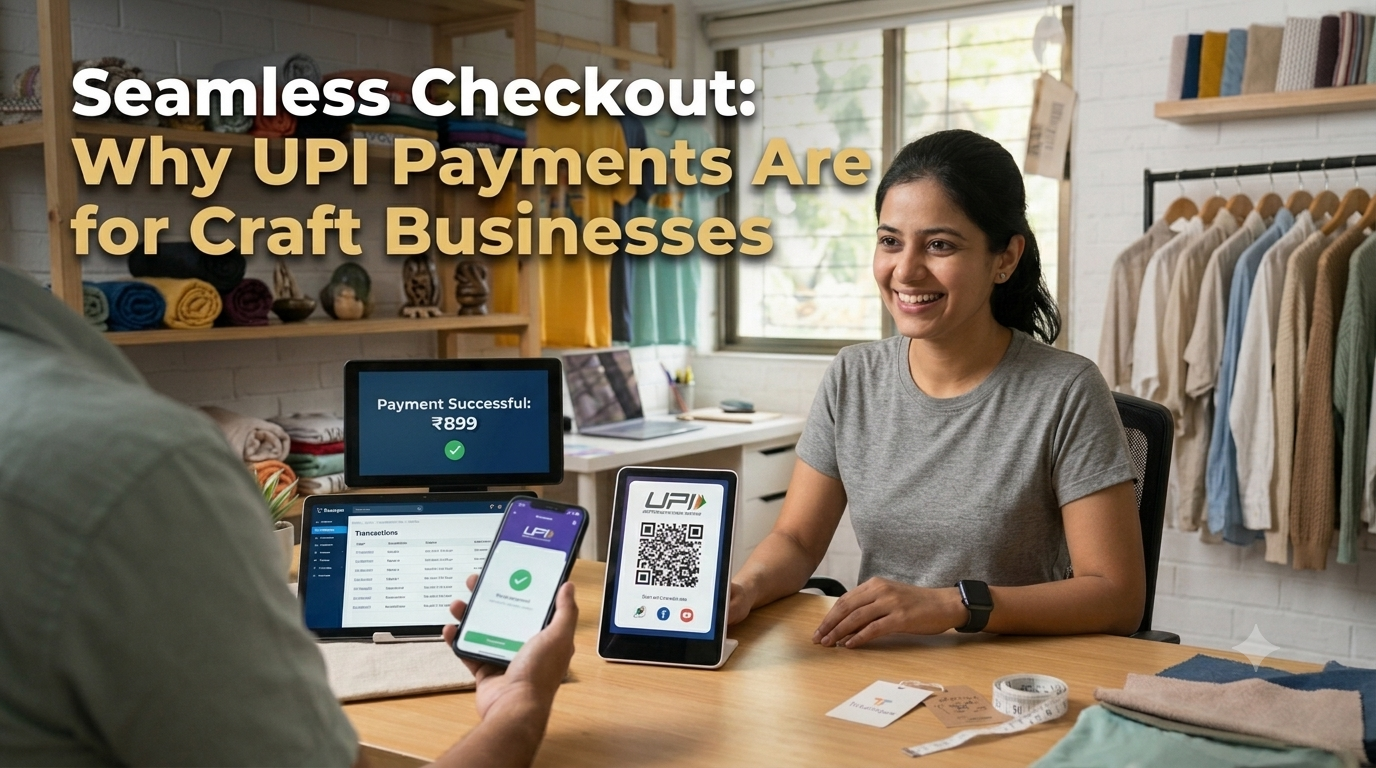
Traditional payment gateways or manual bank transfers require customers to remember complex account numbers, IFSC codes, or wait hours for manual verification. With a simple QR code or a one-tap intent-based UPI link, checkout takes less than 10 seconds. The lower the friction, the fewer customers drop off before completing their purchase.
2. Building Immediate Trust
New or growing brands often struggle with customer trust during the payment phase. Offering recognized, secure UPI apps (like Google Pay, PhonePe, or Paytm) reassures buyers that their money is handled through trusted, regulated banking networks.
3. Real-Time Tracking and Better Cash Flow
Manual reconciliation—checking screenshots sent on WhatsApp against bank statements—takes up hours of your day. UPI apps provide instant payment alerts and transaction references tied directly to orders, making bookkeeping effortless and eliminating fake payment screenshots entirely.
Best Practices for UPI Setup
• Keep your QR codes clean, high-resolution, and easy to scan.
• Clearly display your verified business handle on your checkout page or invoice.
• Always cross-check order IDs with incoming notification pings before packing shipments.
Wrapping Up
Making payments effortless is one of the easiest ways to turn a casual browser into a loyal, repeat customer. By streamlining your checkout with UPI, you respect your customer's time and streamline your daily operations.
How do you currently handle payments for your orders? Let’s talk about your setup in the comments below!